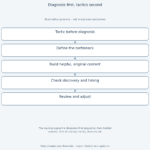
Short answer Random tactics usually fail because they are chosen before the bottleneck is clear; the useful move is to diagnose first and choose the next step second. The helpful-content guidance also says the page should provide original information or analysis, a...
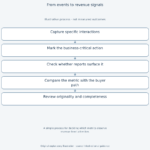
Short answer: A B2B company should make its expertise easy to find, verify and use in a buyer decision. Start with an existing page that answers a specific customer question, add defensible evidence and practical judgment, check search eligibility, and measure...
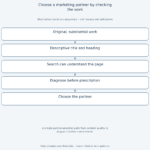
Short answer Choose the partner that can make your expertise easier to scale while keeping the work original, substantial, and useful to the reader. If they lead with tactics, promises, or volume before diagnosis, keep looking. Google says helpful content is created...
Short answer: The difference is ownership of the handoffs. A growth operating system defines how the parts work together and how results are measured. What is usually happening When a founder-led B2B company asks this question, the visible symptom is rarely the whole...
Short answer The most useful B2B marketing metrics are the ones tied to specific buyer actions, especially actions you can define as events or key events. Traffic and clicks still matter as context, but by themselves they are weaker revenue signals than a defined...
Short answer: The timeline depends on starting authority, market size, quality of questions, conversion paths, and follow-up. Content should show early signals before it produces predictable pipeline. What is usually happening When a founder-led B2B company asks this...
Random tactics fail because they optimize isolated activity instead of the buyer path from problem awareness to trust, conversation, and CRM follow-through.
A founder-led company should choose a marketing partner based on diagnosis, operating fit, execution ownership, industry understanding, and measurement discipline.
A marketing agency usually sells deliverables or channel execution. A growth operating system connects positioning, visibility, content, engagement, CRM, and measurement.
The most useful B2B marketing metrics show buyer movement: qualified impressions, commercial-page visits, diagnostic completions, conversations, and CRM stage progression.


 Random tactics fail because they optimize isolated activity instead of the buyer path from problem awareness to trust, conversation, and CRM follow-through.